Apr 042012
 

Microscope work inside

Most homeschoolers are very frugal and must make their homeschool budget stretch as far as possible. My family is no exception and I think long and hard about investing in curriculum and tools for our learning experiences. My two youngest boys are very science oriented and are naturally inquisitive about the world around them so purchasing a quality microscope made sense as we entered the middle school science years.

Our family aims to get the most value for the dollar. So which microscope would we buy?

The decision was not easy but after much research and thought, we decided to purchase the Sonlight Ultra Microscope. With a price tag of $240 this was a decision not made lightly! We wanted to provide the best equipment for our sons even as homeschoolers. Taking into account the useful life (six years in our case), our cost per year would be $40. Our high school science plans would be greatly enhanced with this investment and could provide college-prep level lab work throughout the high school years.

Quartz Study  2

Actual image we took through the eyepiece of river sand.

Now after using this microscope for many years, I can with confidence say that it was an investment that paid off in a growing knowledge of the world right under our noses.  Our eyes were opened to a complete new dimension of study, fascinating and wonderful.

Features Our Family Have Found Valuable:

  • Sturdy, durable construction. This is not a toy microscope and from the moment you pull it out of the box you know it is built to last.
  • The ease of aligning the slides. The mechanics of the slide platform are easy to adjust with the up-down and side-to-side knobs positioned for easy use. Going from coarse to fine adjustment is easy and the object stays in your field of vision. This feature cuts down on frustration. View Sonlight’s YouTube.com video showing Features and Benefits.
  • The light does not get hot and we can use this microscope for a long time without the slides getting hot or drying out too fast. This is especially important when working with wet objects like those you find in a pond.
  • The eyepiece swivels around so we can show each other what we see in the microscope as we gather around the table.
  • The magnification has been plenty high enough that we can see amazing details of our subject (40x, 100x, and 400x lenses).
  • We used this microscope in our biology, marine biology, chemistry, and human anatomy studies during high school.

Check the Sonlight website for their complete description and warranty.

Our family highly recommends this product for your homeschool science courses.

Written by Barb-Harmony Art Mom.  I blog at Harmony Art Mom and am the creator of  Harmony Fine Arts. I would love for you to join us for the Outdoor Hour Challenges at the Handbook of Nature Study.

Pin It
Mar 052012
 

What a treat for the eyes and a delight to the heart! I LOVE this book and any mom who is looking for ways to build on play-based learning, this book is a gem. The book, Playful Learning by Mariah Bruehl, will help you create an atmosphere of learning by building spaces and providing activities that spark creativity and fun. Looking back over my years as a homeschooling mom, I realize the best learning takes place when I could build on my child’s interest in a relaxed and enjoyable way. The trick was to be prepared for those moments.

Sometimes it is as easy as creating a learning environment, introducing your child to the space, and then letting them explore.

Playful Learning is the kind of book that can be referred to again and again and you will always find some new idea to spark a creative activity. It is a visually appealing book that outlines areas of your home where you can set the stage for playing and natural learning.  The author stresses the importance of free and unstructured time for children to explore their interests and Playful Learning gives specific ideas for building on your child’s natural inclinations to play and learn by organizing play spaces and materials to nurture the interest alongside your child.

“Playful Learning gives us as parents an opportunity to play again! It is wonderful to teach the way we wish we had been taught. I have rediscovered my own awe and wonder of the world.”


  • Do you want to nurture your child’s love of writing? Young writers will be encouraged to keep lists and notebooks, write stories and letters, and have a try at bookmaking.
  • Do you want to build an art area, a child’s science “lab”, or a cozy reading library? Images and resource lists are included in this book.
  • Has your child shown an interest in learning geography?  Create maps together and learn more about the world we live in using suggestions in this section of the book.
  • Is your child a nature lover? Activities illustrated will help your child better connect the the natural world in your own backyard.

Mariah Bruehl will give ideas in pictures and words, making it easier to provide a richer learning experience at home by showing you activities to plan on and offer as you play through your day.

She explains that the key for parents is to stay “one step ahead”.  I appreciate that this book assumes you want to identify an interest and then build on it, preparing yourself to offer up the space and ingredients for playful learning at home. She outlines in each main section the stages of learning, how to stay “one step ahead”, the process of building on interests, and then more ways to explore with your child. She suggests skimming the book with your child and then refer back to it when they become interested in a particular subject.

The book includes lots of printables in the back of the book as well as from the Playful Learning website. What a great way to get started with your Playful Learning experiences! You may also want to follow Playful Learning on Pinterest where there are many, many wonderful additional ideas for you to implement in your home.

Excellent resource for families with children from ages 4-8 (even older if you extend the ideas). This book will be a perfect supplement to any homeschooling curriculum and can be used with any style of learning. Big thumbs up for this sparkling gem of a book!

Written by Barb-Harmony Art Mom.  I blog at Harmony Art Mom and am the creator of  Harmony Fine Arts. I would love for you to join us for the Outdoor Hour Challenges at the Handbook of Nature Study.

Pin It
Aug 082011
 

“Make this summer a time to learn a little something new about your world. Finding time for these challenges will help this summer be one that your child will not only learn something new but make special seasonal memories for a lifetime.” – Barbara McCoy

Lightning bugs. Frogs. Raccoons. Owls. Mosquitoes. Ants. Trees. Weather. Even bats.

That’s what we’ve studied this summer. Just about once a week, we deliberately studied nature. But really, the children and I didn’t think of it as study. It was our summer fun. To take notice right when everything is growing, blooming and croaking.

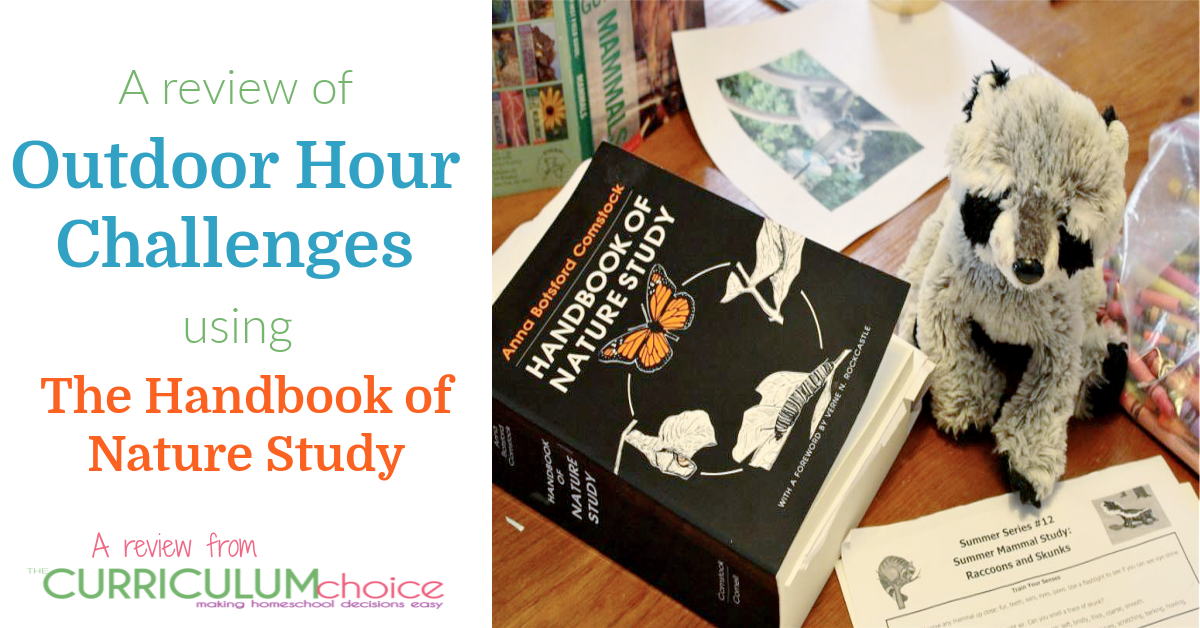
What is an Outdoor Hour Challenge? Simply the idea of getting outside for a short while, in your own backyard – to enjoy, to observe and maybe to learn something new. Any time of year. The Outdoor Hour Challenges are hosted by Barb-Harmony Art Mom on her Handbook of Nature Study blog. On the Handbook of Nature Study site, there is a section devoted to Getting Started and More. Since my family first started participating, the challenges have changed from weekly postings on the Handbook of Nature Study blog to a monthly newsletter. Here are details directly from Barb-Harmony Art Mom’s July 2011 newsletter post:

“1. Instead of a weekly challenge, there will be a monthly newsletter with a month’s worth of nature study suggestions, new nature journal ideas, a custom notebook page, and always a few more goodies.
2. Each newsletter will be filled with specific ideas for encouraging nature study in your family, no matter where you live.
3. The newsletter will be available at the beginning of each new month and you will be able to download it and print for your family.
4. The newsletter will outline the Outdoor Hour Challenge topics for the month and all participants will complete the challenges the same as before but there will no longer be a Mr. Linky each week. Instead, blog entries will be shared in the monthly Outdoor Hour Challenge Blog Carnival at the end of the month.
5. I will still share our family’s Outdoor Hour Challenge experiences on my blog and support everyone’s entries by sharing about them in the Blog Carnival.”

How does a family get started? How do you participate? When we began Outdoor Hour Challenges, we started small. About one, maybe two studies a month. Just simple studies of daily things in our own backyard. For us, we simply got into a routine. Kerri had mentioned she and her family do just ‘one more thing’ together after lunch. So I took that idea. Whenever the fancy struck, I gathered our field guides. I put them in a pile in the middle of the kitchen table. While the children ate lunch I read the excerpt from the Handbook of Nature Study. We’d push back, leave the lunch dishes and forge out into… the backyard!

With practice, it became easy. When we first started I didn’t even have the suggested text, I just pulled from what we had. See, I’ve always loved nature. Oh, I really love birds. Continue reading »

Jul 292011
 

Waterford Press has a tagline that says, “Putting the World in Your Pocket.” With Waterford Press it is amazing just how much of the world you can fit into your pocket. You can store information about animal tracks, the cosmos, plants, wildlife and more right in your back pocket. These naturalist pocket guides are durable, easy to read, colorful, and fun for children or anyone who appreciates nature. In addition to nature guides, you can have a hands on guide to first aid, wilderness survival, knots, and state flags and facts. I cannot even begin to give you the entire list of amazing pocket guides, please visit the site. I am certain you will find a guide that suits you!

I had the opportunity to review three naturalist guides from Waterford Press; Animal Tracks, The Night Sky and Bugs and Slugs. I was pleased when I opened my package of pocket naturalist guides. Moreover, my children were pleased.

What we liked:

The guide is laminated which makes is durable. Durable enough for a two year old to grab it out of her sister’s hands and run around the house before dragging it alone before getting caught.

The size! The guide is 8.25″ H x 3.5″ W. It is small enough to bring it with you on nature walks or where ever you go yet big enough to find. The ability to find an object in a house with four kids, including one stealth mode toddler thief, is essential.

The amount of information provided in the guides. The guide is not simply pictures with a few words on each animal, bug or object. It provides a nice balance of enough information to understand and appreciate the topic yet not so much that my five year old or my 11 year old got that glazed look in their eye. It also had enough information to peak an interest yet not leave you with too many questions.

The Night Sky guide has a star chart that glows in the dark!

What we didn’t like:

Animal tracks had a picture of an opossum. I dislike opossums. So, that is a bit unfair, right?

My toddler and my Kindergartner fight over the Animal Tracks guide. Not sure how I can blame that on Waterford Press though.

Honestly, we couldn’t find anything wrong with the guides. In fact, I am looking forward to more of their products coming out in the spring. They will soon offer My First Nature Activity Books and Children Nature Activity Books which really appeal to me and my kids.

Pictured below is an activity I used the Animal Track guide for with my Kindergartener. I happened to have animal track molds from a previous activity. So, I rolled out Play Doh and imprinted the tracks. I then had my daughter use the guide to identify the tracks. She had a great time doing this activity. She even made her own tracks using the guide and a few Play Doh tools.

Richele is an eclectic homeschooling mom to four reflections of God’s love whose greatest accomplishment thus far was teaching physics, folding laundry, and playing Candyland simultaneously.  Find her blogging at Under the Golden Apple Tree.

Feb 182011
 

Science is fun.  I want to fit it in.  In juggling the demands of this busy homeschooling household, I don’t always manage it, though.

The answer:  living books!

For me, it all starts with the books.  A topical, science-based, information-packed, well-illustrated set of books often provides the basis for scientific study at our house.  They give me the boost that I need to develop a science topic into a science curriculum.  Once I have the books, I can add in experiments and notebook pages and memory work and activities.  In the end, we have a great elementary science program.

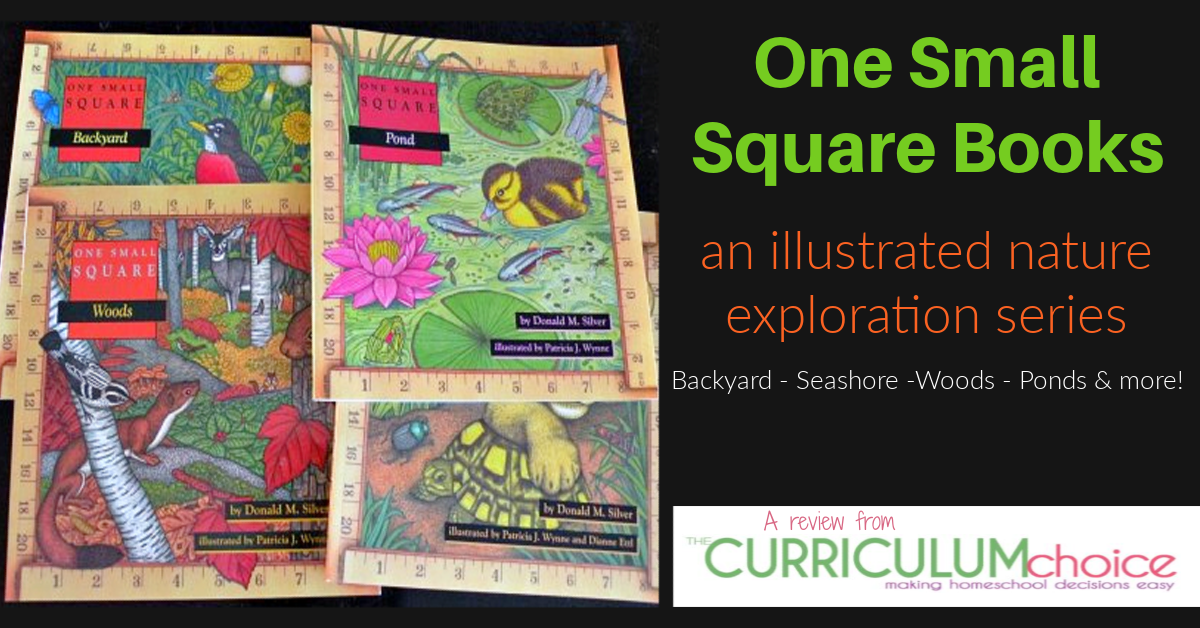
For habitat study last year, we used The One Small Square series written by Donald Silver and illustrated by Patricia J. Wynne and Dianne Ettl.

The One Small Square series by Donald Silver uses the space of a three-dimensional square to explore the Earth’s habitats.  Each book contains around forty pages of focused information about a particular habitat, along with delightful illustrations and activity suggestions.  The books provide the reader with complete descriptions of each area, including plants, animals, and other pertinent tidbits.  Attention is given to the seasons and changes that occur in the space as the year passes.  Other topics are explained as they naturally arise:  African Savanna discusses drought, Backyard covers decomposition and life cycles, and Pond talks about microscopic creatures.

The primary purposes of the books are two fold:  information and exploration.

The information–comprised of text and illustrations–is useful and appropriate for elementary students.  The illustrations themselves are accurate and engaging.  They draw the eye and delight the mind.  At the end of each book is a picture list of all of the plants and animals covered by the text, which serves as a mini-field guide to the area being studied.

The exploration portion comes in the form of activities designed to help the young reader delve into the habitat and understand particular ideas associated with it.  When possible, the first task for the student is to go to the habitat–a pond or woodsy area, for example–and mark off a small square with an adult’s help.  This is followed by ideas designed to make the space come alive for the child.  Activities include making a home for a duck from a cardboard box in Pond, studying trees to compare them to pictures of African trees in Arican Savanna, and making a picnic to attract bugs in Backyard.  Keeping a nature journal is strongly encouraged and ideas for what to do with it are given throughout the texts.

Books in the series include:

  • Backyard
  • Seashore
  • Woods
  • Cactus Desert
  • Arctic Tundra
  • Pond
  • Tropical Rain Forest
  • African Savanna
  • Coral Reef
  • Cave
  • Swamp
  • The Night Sky

The One Small Square books by Donald Silver have been a hit at our house.  The kids love them, often pulling them off of the shelf to look at and read, and they have made this mama’s life a little easier by providing quality information and useful activities.  We get to do science!

Find the series at your local library or at lots of bookstores and on-line sellers, including Amazon.

Susan S. is a homeschooling mama of three little ones who get bigger and livelier every day. They delight in living books and hands-on math, and are nurturing a love for God and the amazing world that He created.

Aug 092010
 

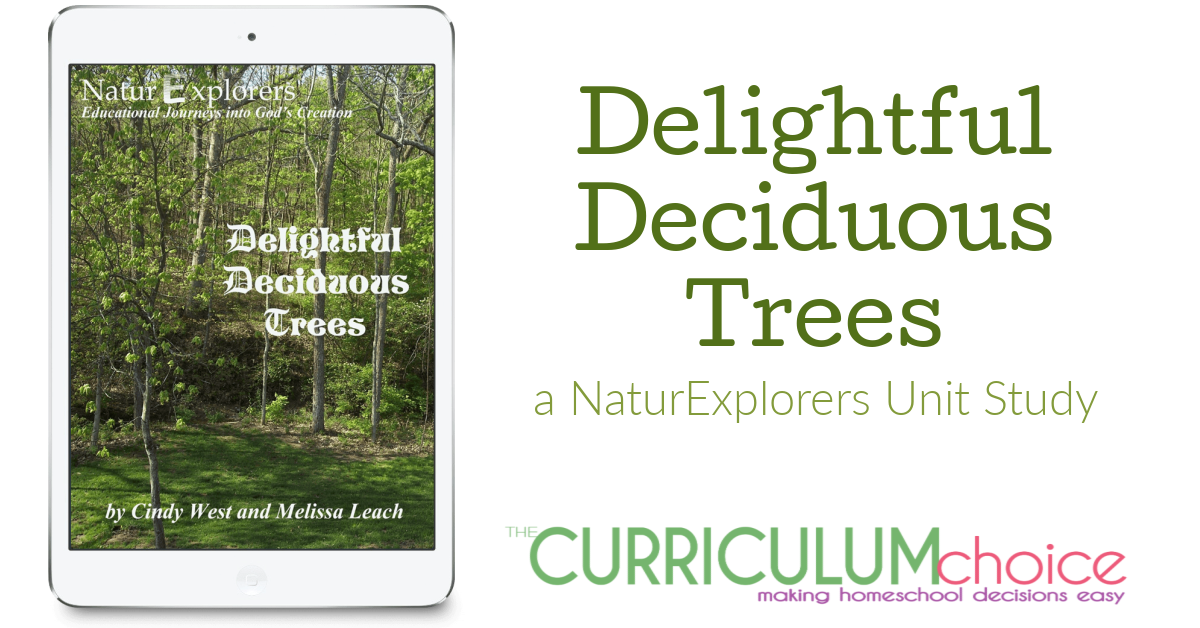
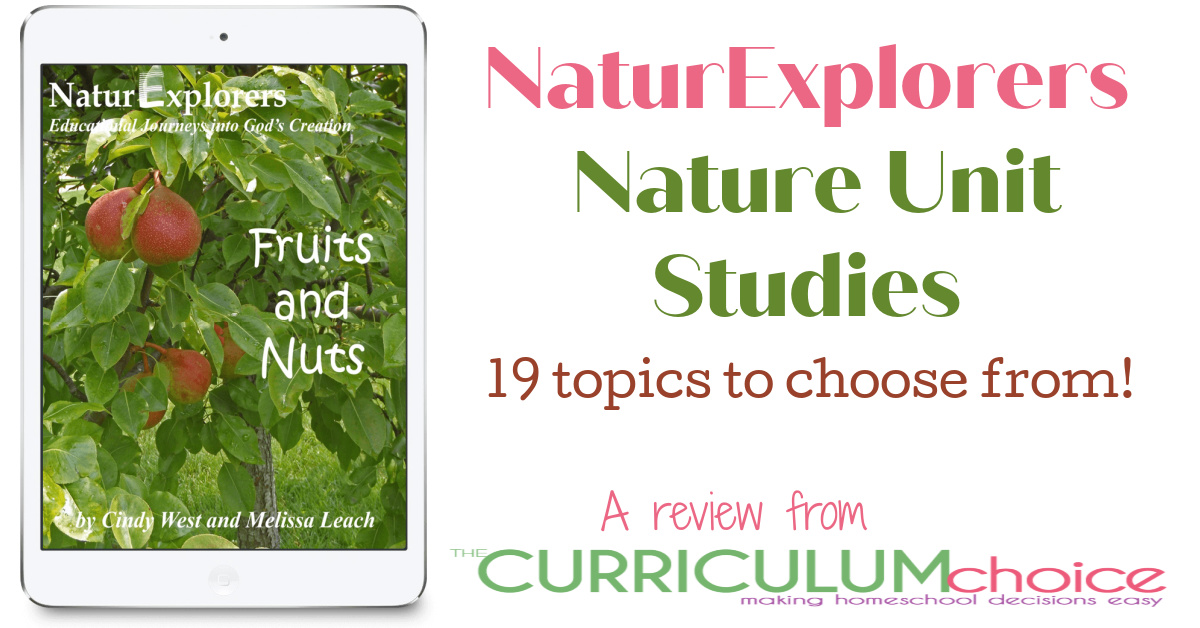
Nature study can be so rewarding and memorable for our kids, but sometimes getting the motivation to go outside and go on nature walks can be tough.  Especially when the weather is cold and there’s lots to do inside the house.  For me, I felt like I wanted to do fun nature walks, but had no direction.  And for this list-making, plan-it-out kind of mama, I needed more direction.  So, when I found NaturExplorers over at Shining Dawn Books, I was very pleased.

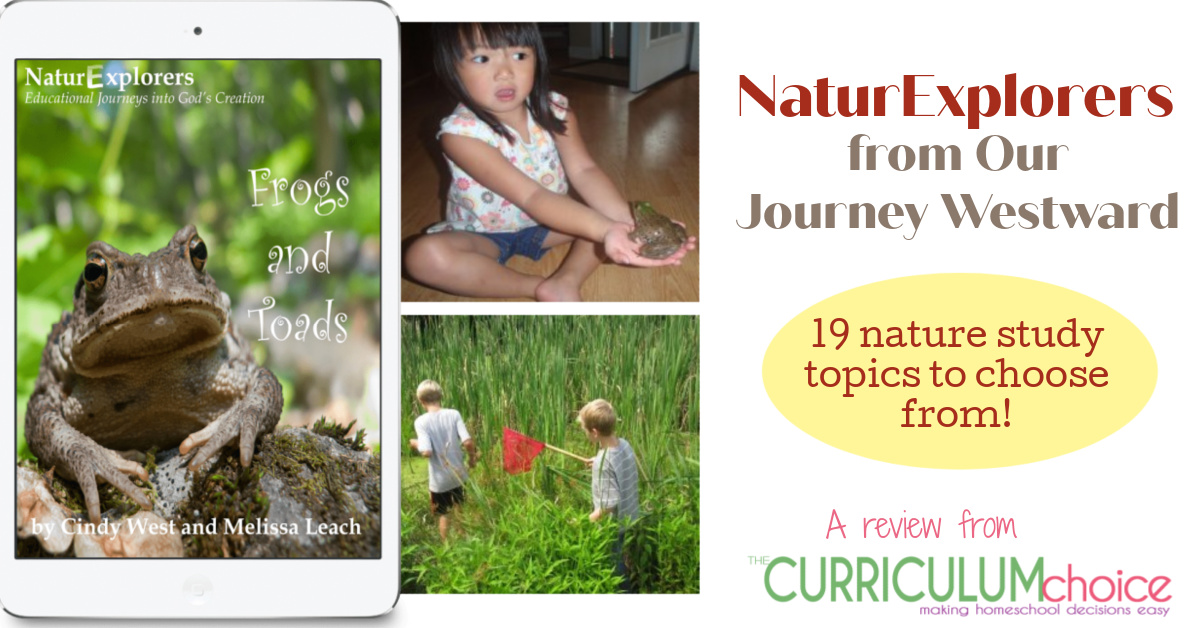
The books are written by two nature-loving homeschool moms, Cindy West and Melissa Leach. Their love of nature drips from the pages of these wonderful nature guides.  Each book focuses on a different area of nature, such as:

~Fruits and Nuts
~Spiders
~Birds
~Rain
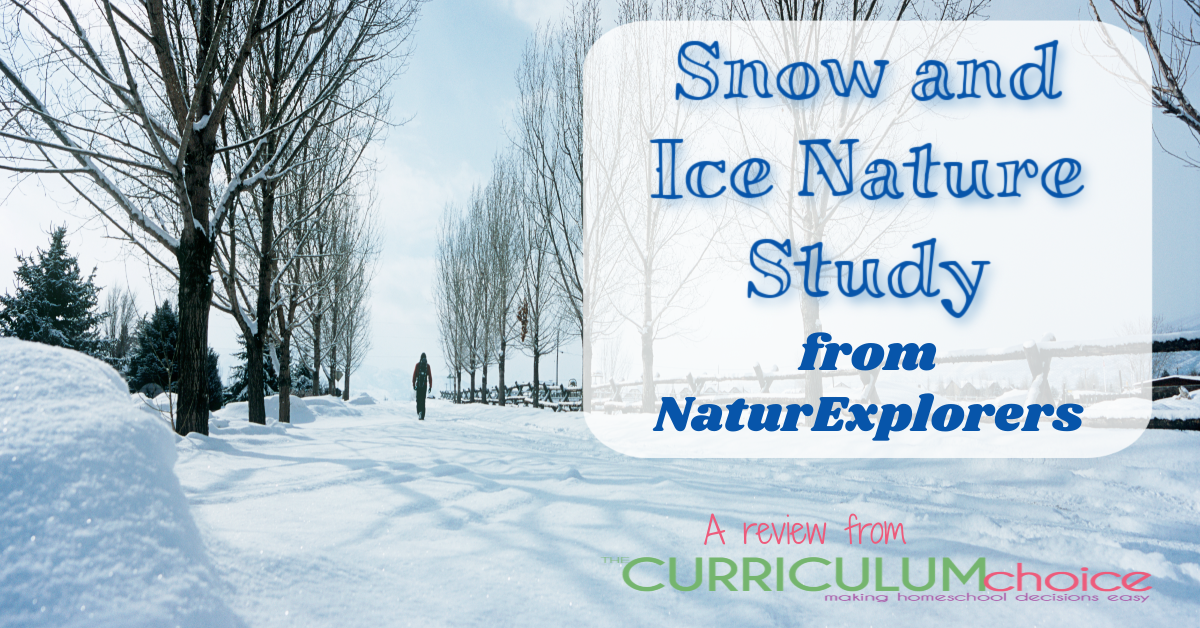
~Snow and Ice
~Butterflies
~Fungus
~Rocks
~More! (there are 19 books in the series)

What I love about these books is the flexibility and the many, many options and ideas they provide.  They are absolutely full to the brim with information and ideas.  Not only does each book include tons of information on the subject it’s based on, but it includes ideas of how to incorporate many different areas of your homeschool right into nature study.
Areas like:

  • Artist Study
  • Composer Study
  • Art
  • Bible
  • Poetry

For example, when my kids and I were studying from the Fruits and Nutsbook, one suggested activity was to study the Fruit of the Spirit from Galatians and gave great ideas of how to do so.  What a fabulous way to bring nature study inside and keep right on learning!

In our homeschool, we study one area of nature for about a month or two.  So, when we go on a nature walk we know what to look out for.  We read some background info that each book provides along with some of the additional reading they suggest, and away we go.   You can use these as the spine to an in-depth unit study or you can definitely pull them right off the shelf and use these books as guides as you go on your walks.  Their notebooking pages and many suggestions make it possible for any homeschool mom to use them, no matter what your teaching style.

We have enjoyed making Nut Dye, coloring in the snow, inspecting snowflakes, and gathering samples of coniferous trees.  NaturExplorers have been so helpful in our nature study.   I now feel like I can look through these, get ideas and have a plan before we go on a nature walk.  You can visit the website at Shining Dawn Books where you can read their nature blog or ask them questions.  They are great about giving advice and answering questions.

If you don’t want to just take my word that these are wonderful books, you can read Shannon’s review by clicking here. I have to say that my very favorite part about NaturExplorers is they inspire me to explore God’s awesome creation!  I hope you are encouraged to go out and do some exploring yourself!

Alicia is a homeschool mom of 3 nature-loving kids and can be found blogging at La Famille.

Jun 072010
 

Although we are not a homeschool family that schools through the whole year, nature study is something we do as a family no matter what time of year it is.  As I type, I’m looking at a whole basket of pinecones collected by my sweet, little, pre-pre-schooler, Sophia; my boys are carefully observing a little frog they caught; and to my left is a tiny tadpole we’re attempting to raise.

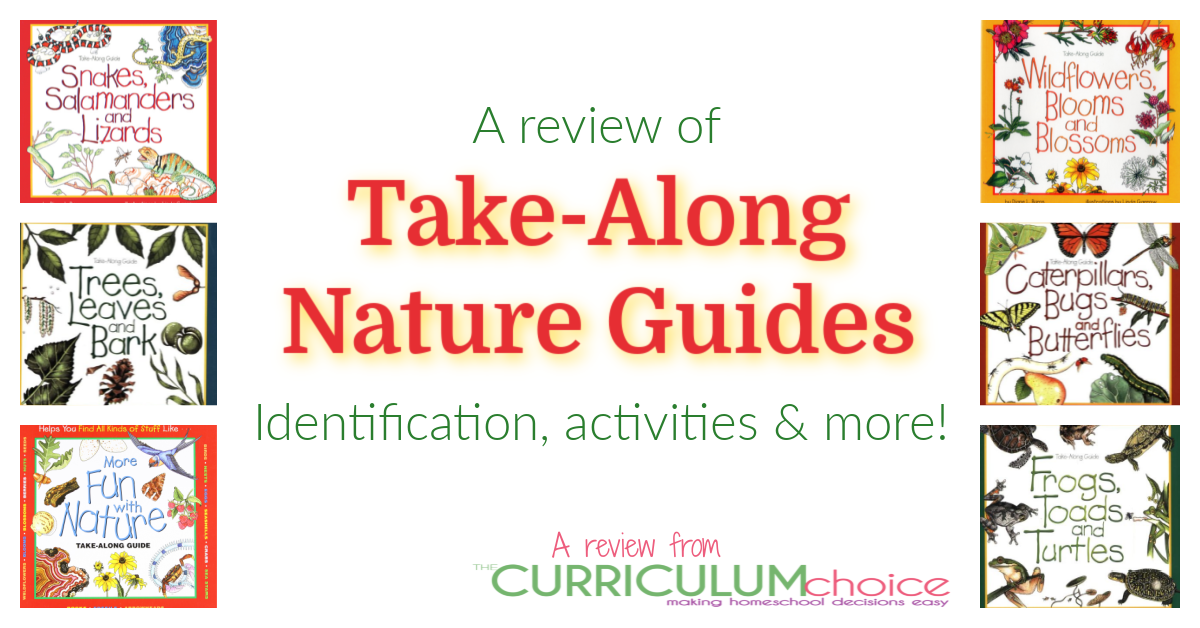
No, nature study is not something we take a break from during the summer.  So naturally, I’m always looking for appealing books to help us out in our nature study to help spark my kids’ interest in all things outdoors.  When I found my first “Take-Along Guide” at a used book store, I was interested so I purchased it.  But it was later when I began really reading it that I became really interested.

These books are so perfect for any part of nature you are studying.  They are available in almost any subject you can think of.

Such as:

  • Birds, Nests, and Eggs
  • Berries, Nuts and Seeds
  • Caterpillars, Bugs and Butterflies
  • Frogs, Toads, and Turtles
  • Rabbits, Squirrels and Chipmunks
  • Tracks, Scats and Signs
  • and More!

Although each book is a little different, here’s why I love them so much:

  • Series available in pretty much every subject you’d want
  • Each page is laid out very nicely with great illustrations and just enough text to keep an elementary student’s attention
  • Very informative facts on all subject matter
  • Each book includes several fun and simple projects
  • Small enough to take with you on nature walks
  • Great tips for nature walks throughout the books

I would recommend reading through your Take-Along Guide before taking off on your nature walk.  Then you can put it in your bag and bring with you on your walk  and use it to identify things as you go.
I highly recommend these books for all elementary students.  They are terrific for inspiring you in your nature study!

May 062010
 
When this time of year rolls around, there’s one thing my kids ask for more than anything…”When are we going to plant our garden, Mom?”  I have to admit, I’m just as excited to get my hands dirty as they are.  There’s something about sticking a tiny plant or seed into the dirt and a couple months later, enjoying the  best salad or handful of strawberries ever!

I decided to end out our school year with a unit on plants.  I thought we could make our little garden into an even more educational experience this year by learning more about what’s going on underneath that dirt.  We’ll take the next couple of weeks to learn about seeds, the parts of plants, and what they need to thrive.  Then when it’s warm enough, we’ll put our knowledge to work and plant (hopefully) our best garden yet!  If you are planning on doing a unit on plants, I found a great post over at The Homeschool Classroom.  Melissa posts her lesson plan in detail, giving great ideas on projects and resources.

Over the years I’ve come across many great books on gardening with kids but I wanted to share with you two of them that I love.

{Roots, Shoots, Buckets, and Boots}

This book by gardening guru, Sharon Lovejoy, is a great addition to your library!  Besides the her beautiful illustrations, Sharon gives numerous project ideas, tips, and lists for the rookie or advanced gardener.  Some of her projects include:

  • The Pizza Garden
  • Buckets, Boxes, & Boots: Container Gardens
  • Moon-Garden
  • Snacking & Sipping Garden

One of my favorites is her idea for a Pizza Garden.  In the book, she shows how to plant this type of garden in a circular shape and section it off with rocks or pavers so it looks like a sliced pizza.  Each section includes vegetables that you’d find on a pizza, such as:

  • Tomatoes
  • Eggplant
  • Bell Peppers
  • Oregano
  • Basil
  • Onions

She gives tons of great tips for gardening with kids, like all the tools you’ll need and a list of the Top 20 Plants for Kids.  The thing I love most about Sharon Lovejoy is her absolute love for nature.  Her love exudes from the pages of this book and it makes you want to spend more time outside.   I’m totally in love with this book!  If you’re looking for supplements to add to your plant units this Spring or just want a great book, I totally recommend it.

{Gardening with Kids}

This great gardening book written by Catherine Woram & Marlyn Cox is also a terrific addition to any mom’s library.  This book includes over 30 projects you can do with your kids.  Everything from growing cactus planters to playing games with water.  Again, the introduction includes tips on equipment, maintaining a garden, and everything else you need to know.  Gardening with Kids has a lot of information about the plants themselves and how choose the best ones for your climate.  They provide lists of what to grow and what you should avoid.

There are 35 projects in this book to be exact, and we’ve completed many of them.
Here’s an idea of the projects you’ll find when you check out Gardening with Kids:

  • Herb Garden
  • Butterfly Baskets
  • Crystallizing Pansies
  • Terrarium in a Jar
  • Pressing Flowers
  • Nesting Box
  • Flower Chains
  • Burlap Tote Bag

    Again, I highly recommend both of these fabulous books.  I can say that both of them provide hours of fun for you and your kids…now go get your hands dirty!

Alicia can be found either blogging at La Famille or out in her garden :)

Apr 062010
 

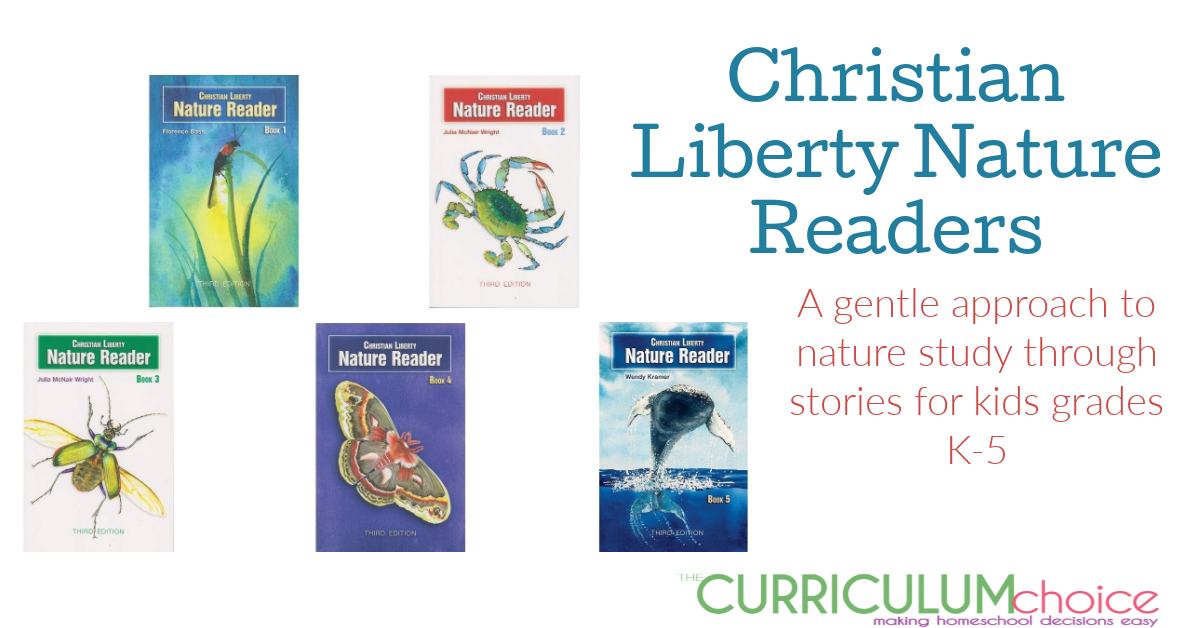
I’m so excited to be typing my very first review here at The Curriculum Choice!  I truly love books of all kinds and I especially love when I can find great books for my homeschool that cover multiple subjects, which is why I chose Christian Liberty Nature readers for my first review.

I chose this series for my 2nd grader to practice reading because although Spring is around the corner, it has not yet reached my doorstep and we’re looking for it wherever we can get it!  These books are plum full of scents of Spring!  Especially for boys that love the outdoors, these readers are a must.

I love Christian Liberty Nature Readers for several reasons:

  • gentle readers, but with just enough challenge
  • they feel like nature study, even when it’s too cold to go outside
  • little siblings love to listen
  • the glossary in the back gives good practice for looking up words they’re not sure of
  • the sections are short, making it easy to just read a little at a time if need be

These books are great for not only reading practice and comprehension, but they paint a beautiful picture of God’s awesome creation.  There are numerous subjects covered and each book is a little different.  The book we’re reading right now for instance talks about all kinds of things in nature from the honeybee to quails to bison.

The series consists of six books ranging from PreK to 5th grade, each book getting a little more challenging.  These are great living books that are available for great prices.  If you feel like you need to enhance your nature study or just get some fresh, new books for some good Spring reading, I highly recommend Christian Liberty Nature Readers.

~posted by Alicia, homeschooling mama of 3.  Find her blogging at La Famille.

Mar 032010
 

I’m one of those homeschool moms who can never use a curriculum exactly as it is planned. I regularly tweak, skip, and add. So I admit that I’ve not used Considering God’s Creation as it is designed, but I’ve loved having it on my shelf as a resource for supplementing science and nature studies.

Considering God’s Creation is written for 2nd through 6th grades and is flexible enough for teaching a group of children in various grades. Perfect for a Charlotte Mason styled homeschooler who wants no formal science before 7th grade, this program is very gentle and provides a brief introduction to many areas of science: creation, the universe, weather, rocks, plants, animals, ecology, and human body.

The authors recommend using the 36 lessons over 2-3 years, making this $30 curriculum an incredible value. (You can buy Considering God’s Creation at Rainbow Resource.)

Considering God’s Creation is a set of three resources – a student book, a teacher’s manual, and an audio CD.

The Student Book

The student book has almost 200 perforated pages that can be reproduced within a family. These make up the notebooking component of Considering God’s Creation. Some are strict pages with coloring or matching, but many are cut and paste paper activities or minibooks.

One of my favorite parts of the student book are the detective pages. These are one page worksheets that can be filled in with details; there are boxes to tick and places to draw diagrams.


Detective Pages offer a concrete framework for careful observation and documentation, so they are great for science notebooks or for nature journals. The student book wisely includes duplicates of the detective pages because you will want to use them many times in your scientific observations.

Working on Rock Detective

Detective Page Topics

  • Solar system
  • Scientist (biography)
  • Rock
  • Cloud
  • Speed
  • Flower
  • Mold
  • Tree
  • Insect
  • Animal

Twelve crossword puzzles serve as review and can be used as tests for older children.

The Teacher’s Manual

Considering God’s Creation is a very “open and go” curriculum thanks to the teacher’s manual; any needed preparation is clearly outlined at the beginning of the teacher notes. Each lesson includes Bible references to connect the science to God’s word. There are suggested experiments or activities, a fully scripted lesson (with answers to all the questions), a notebooking activity taken from the student book, evolution stumpers, and resources for further study.

The Audio CD

The audio CD has songs to help you learn the science facts. The lyrics are included in both the student and teacher’s books.

My Own Evaluation

The notebooking aspect of the program is easy to adapt to either science notebooking, nature journaling, or even lapbooking. As a downside, some of the printable papercrafts and minibooks are tiny, with lots of information crammed on very small pieces of paper. You may want to enlarge some of the reproducibles or adapt their use. For example, the minute flaps that are to be glued together could be more easily stapled.

eyes minibook eyes shutterfold inside

Another option that we used was to print the diagrams and illustrations and affix them onto blank minibooks we’d already created. (You can see an example of this method with the shutterfold about eyes pictured above.)

The style is a bit coarse; Considering God’s Creation is not as visually polished as an Evan Moor or a Scholastic book. But the Christian emphasis in the lessons and the comprehensive nature of the book make up for it.

Personally, I find the songs in the program very annoying, so the CD stayed safely in its envelope in the back of my teacher’s manual.

Pros

  1. Multi-age
  2. Christian
  3. Inexpensive
  4. Reproducible pages
  5. Easily adaptable for notebooking, journaling, or lapbooking

Overall

I think that every homeschool with elementary aged children should have this resource. If you’re a Charlotte Mason styled homeschooler, you’ll find Considering God’s Creation a perfect fit for a gentle science study for elementary years and/or as a help for nature studies.