As a Charlotte Mason homeschooler, teaching with living literature is imperative to me. And considering that I like to package much of our history and science learning into unit studies, incorporating living literature into our current unit makes awesome connections for my children.
The History Comes Alive books written by Barbara Greenwood fit both the CM and unit study aspects of our homeschool perfectly! Written about four major eras of North American history, the books are a wonderful mix between historical fiction, factual snippets and simple hands-on activity ideas.
I’ve used these books with my children from 2nd grade on up. They’re each well over 200 pages, but are illustrated in black and white pencil drawings to keep children intrigued. It’s very easy to skip around and only read certain parts, too, if you’d rather not go through the entire book.
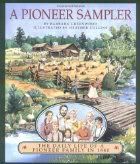 A Pioneer Story introduces you to Sarah and Willy Robertson, Canadian pioneer children of the 1840’s who must be hard-working members of their family in order to survive. Breaks in the story-line turn to more factual information about such things as what a typical log house would’ve looked like, how a farm might be situated, the maple sugaring process, the process of weaving and much more. Activity breaks are also included in the story which will give step-by-step instructions for making cheese, making a homemade balance scale, stenciling and many others.
There are two smaller books available by the same author on the subject of pioneers, too – A Pioneer Thanksgiving and A Pioneer Christmas. Both are written in the same style as the above book, but only have about 48 pages each.
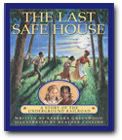 The Last Safe House (our very favorite) is a story of the Underground Railroad. Two preteen girls, Eliza (an escaped slave) and Johanna (a daughter in the home of a safe house) become wonderful friends. Johanna is introduced to the world of slavery, escape, fear and freedom in this wonderful tale. On the factual side of the story, you learn about famous slaves, slave labor, the Underground Railroad and even a few slave songs. The activities teach how to make corn-husk dolls, tin lanterns, gingerbread cookies, and how to spin a good story.
 Gold Rush Fever is set in the Klondike in 1898. Thirteen year old Tim sets off with his older brother on the dangerous journey through the Yukon territory in an attempt to get rich during the gold rush. This book not only takes you on the hunt for gold, but starts at the beginning in Seattle where you start the trip through treacherous conditions. It’s a good view of the entire sacrifice and determination on the part of those who left home in search of gold. The factual snippets teach you about gold mining equipment, boat building, mining towns, what happened when gold was found and more. The activities introduce you to a sour-dough biscuit recipe, knot tying, playing solitaire and other ideas that are particularly boy-friendly.
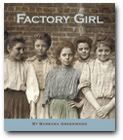 Factory Girl brings you face to face with the reality of children working in factories in the early 1900’s. Meet 12 year old Emily as she works long hours in a unsafe, dark, overcrowded sewing factory where she is treated poorly by her demanding and unfriendly boss. Don’t be fooled, this story isn’t just for girls. The informational sections take you on a photographic journey through all sorts of child labor conditions of the times including coal mines, housemaids, and other factories. You will learn about immigration, living in large cities in the early 1900’s, schooling, women at work, and laws that changed child labor and working safety.
Although this books is unlike the others in that it doesn’t include activity ideas, it’s still our second favorite in the series. This is an issue that’s harder to find literature about for children, so we were very excited to dive in!
-Written by Cindy, eclectically Charlotte Mason mom of 3. You can find her blogging at Our Journey Westward and you can find her nature studies at Shining Dawn Books.

What a great review! I went immediately and added all these books to my wishlist. Thank you so much – I really love knowing I can add living books to my list rather than textbooks.
.-= Deb´s last blog ..Jam! =-.
Thanks, Cindy! I love books like this. Good to know for when we study US history next year.
.-= Alicia´s last blog ..Family Rules =-.
You’re welcome! Unless you scour the bookshelves at your library, it’s hard to know which books can be considered living and which cannot. I love when people post about meaty living books that save me time! Enjoy!
.-= Cindy´s last blog ..Summer on the Farm =-.
Oh, we don’t have Factory Girl. The other three we love. These books are wonderful living books full of history. I only wish there were more in the series.
.-= Jimmie´s last blog ..Everyday Chinglish =-.